
We had the opportunity to speak with Kirsten Poon, an artificial intelligence analyst from Edmonton who helps businesses in commercial and industrial fields use AI more effectively. She focuses on developing systems that simplify workflows, enhance performance, and support human creativity.
Kirsten Poon believes that AI should strengthen people’s abilities rather than replace them. In this conversation, she explains how AI empowers workers, builds smarter teams, and transforms the workplace into a space where people and technology succeed together.
Interviewer: Today, we’re joined by Kirsten Poon, an AI analyst from Edmonton who believes technology should empower people, not replace them. Thank you for being with us today.
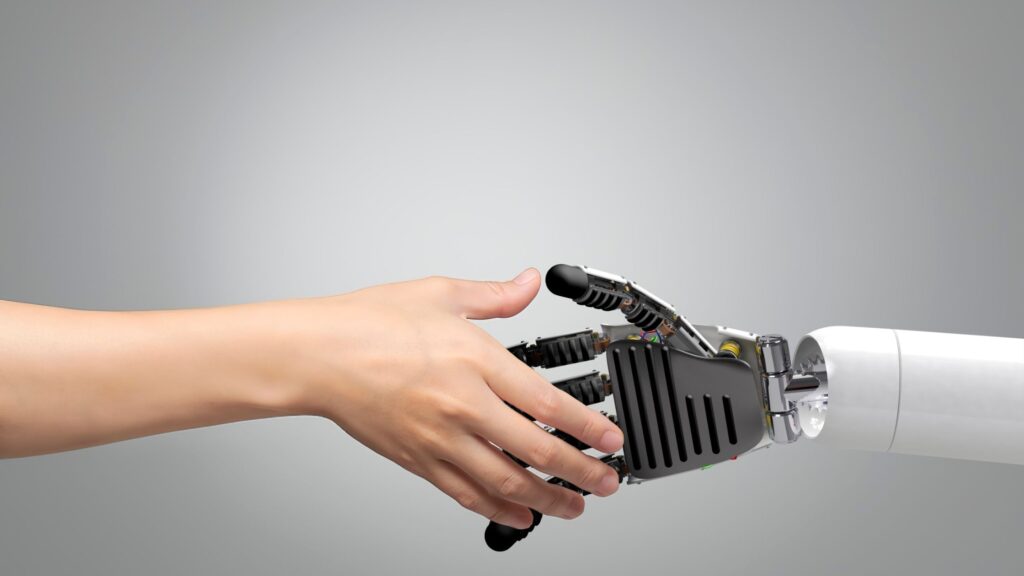
Kirsten Poon: Thank you for having me. I’m glad to share how AI can create stronger workplaces by helping people do their best work with the support of smart technology.
Interviewer: Many people think AI will replace jobs. What’s your view on that?
Kirsten Poon: I believe AI isn’t replacing people, it’s helping them. AI takes over time-consuming, repetitive work and gives people more space to think, plan, and create. Instead of doing the same tasks again and again, employees can now focus on problem-solving and growth. That’s how AI empowers rather than replaces the human role at work.
Read More:Dr. Barbara Knox MD Talks About Signs of Hidden Child Abuse
Interviewer: How does AI make employees feel more empowered instead of threatened?
Kirsten Poon: When people understand AI, they start to see it as a helpful tool, not a competitor. AI gives them the data, insights, and automation they need to perform better. It removes small frustrations and helps them achieve more with confidence. Empowerment comes from having better tools to make work easier and more meaningful.
Interviewer: Can you explain how AI and humans can work together effectively?
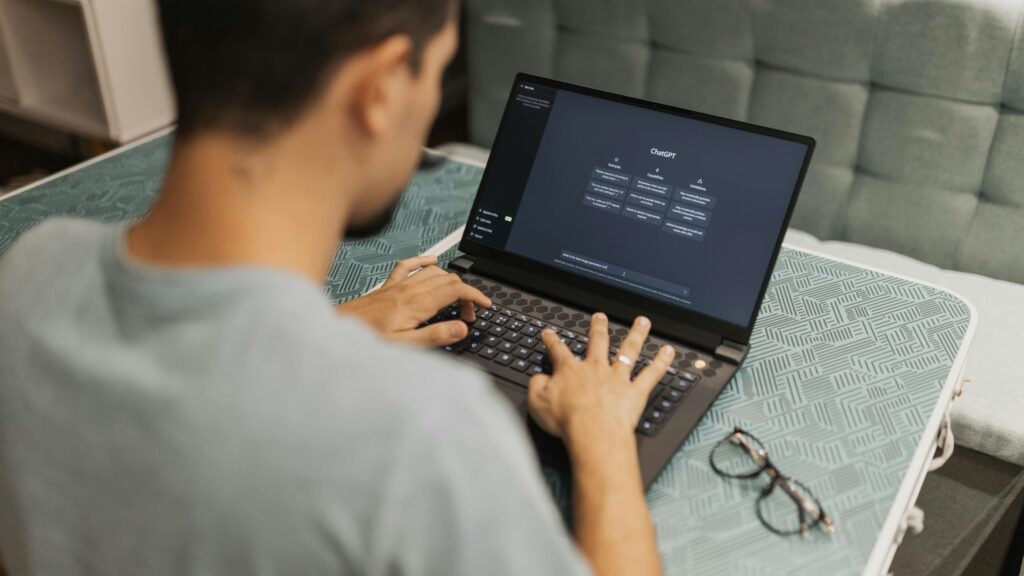
Kirsten Poon: Yes, the best results come when AI and humans work side by side. AI can handle data and processes faster than any person, but humans bring reasoning, emotion, and creativity. When both work together, tasks become smoother, smarter, and more impactful. It’s about combining strengths, not replacing them.
Interviewer: How can AI make daily work easier for teams?
Kirsten Poon: AI helps teams by automating simple but time-heavy tasks such as organizing data, managing schedules, or checking for errors. This allows people to focus on high-value tasks that need decision-making or creativity. It also improves accuracy and reduces stress because less time is wasted on repetitive work.
Interviewer: What kind of tasks should AI handle to best support people?

Kirsten Poon: AI should handle routine, predictable, and data-driven tasks. For example, AI can monitor systems, check performance, or send alerts when something’s off. When these things run automatically, employees can spend their time thinking strategically, solving real problems, and connecting with clients or customers.
Interviewer: How can companies make sure AI strengthens teams, not replaces them?
Kirsten Poon: Companies should introduce AI in a transparent and supportive way. Employees must be part of the learning process. Training and open communication are key. When people understand how AI helps them achieve more, they see it as a tool for success rather than a threat to their jobs.
Interviewer: Does AI also help in building better teamwork and communication?
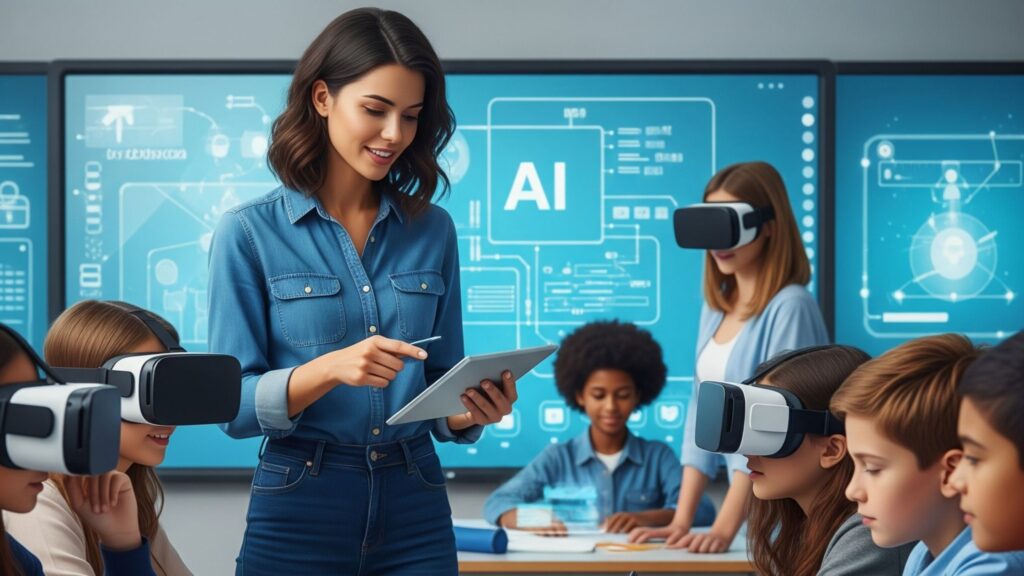
Kirsten Poon: Definitely. AI tools can help teams stay organized and share information faster. They remove confusion and help everyone stay aligned on goals. For example, AI-driven systems can summarize meetings or track progress automatically, allowing teams to spend more time on collaboration rather than coordination.
Interviewer: How can AI boost creativity in the workplace?
Kirsten Poon: AI can free people from repetitive work, giving them more time to think creatively. It can also offer suggestions or analyze patterns that inspire new ideas. By managing the background work, AI helps employees focus on innovation and creative problem-solving, which adds real value to the business.
Interviewer: In which industries do you see AI empowering workers the most?
Kirsten Poon: AI is making a big difference in healthcare, manufacturing, logistics, and even education. In these sectors, AI handles data-heavy tasks like tracking, planning, or analysis. That helps professionals, from doctors to engineers, spend more time on decision-making, creativity, and human care.
Interviewer: How important is training for employees when AI is introduced?
Kirsten Poon: Training is very important. It helps people understand AI’s purpose and how to use it effectively. When employees learn to use AI confidently, they see how it supports their goals. Training also builds trust between people and technology, leading to better results for everyone.
Interviewer: How does AI make jobs safer and more efficient?
Kirsten Poon: AI can predict risks and warn teams before problems occur. In areas like construction, manufacturing, or energy, AI can spot safety issues early. It also improves efficiency by reducing manual work and keeping operations consistent. This combination of safety and speed benefits both the company and its employees.
Interviewer: How does AI help improve decision-making at work?
Kirsten Poon: AI can quickly analyze huge amounts of data and highlight trends that people might miss. It provides reliable information so managers can make faster and smarter decisions. Still, human experience and judgment are needed to choose the best direction from what AI finds.
Interviewer: What’s the biggest misunderstanding people have about AI in business?
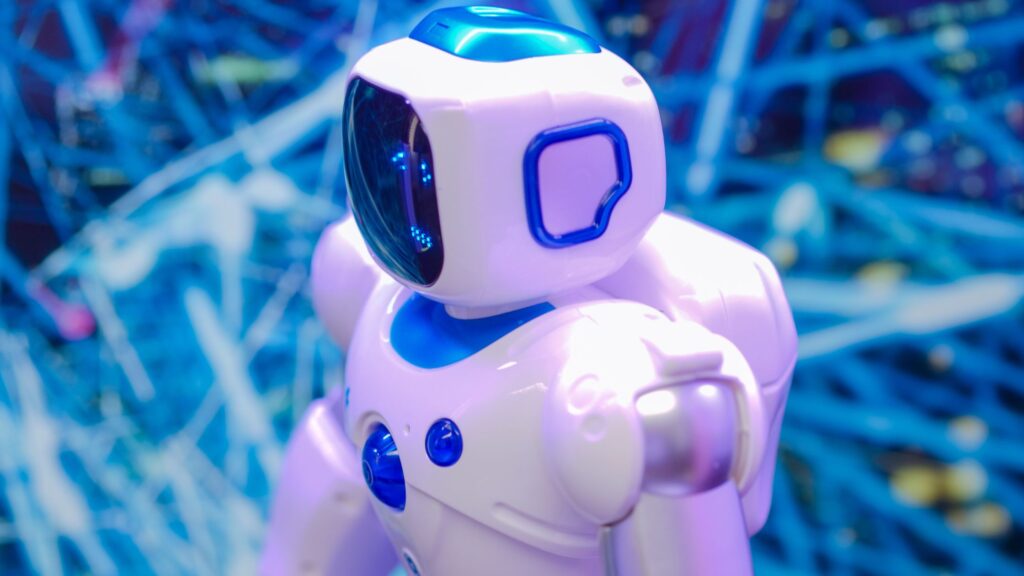
Kirsten Poon: The main misunderstanding is that AI wants to replace people. In truth, AI can’t work without human input. It needs human guidance, creativity, and oversight. The best AI systems are designed to help people become more capable, confident, and productive in what they do.
Interviewer: How can companies build trust between employees and AI?
Kirsten Poon: Transparency is key. Companies should explain what AI does, how it works, and how it helps. When people see that AI improves their performance and reduces their workload, trust naturally grows. Honest communication turns AI into a trusted partner at work.
Interviewer: What do you see as the future of AI and human collaboration?
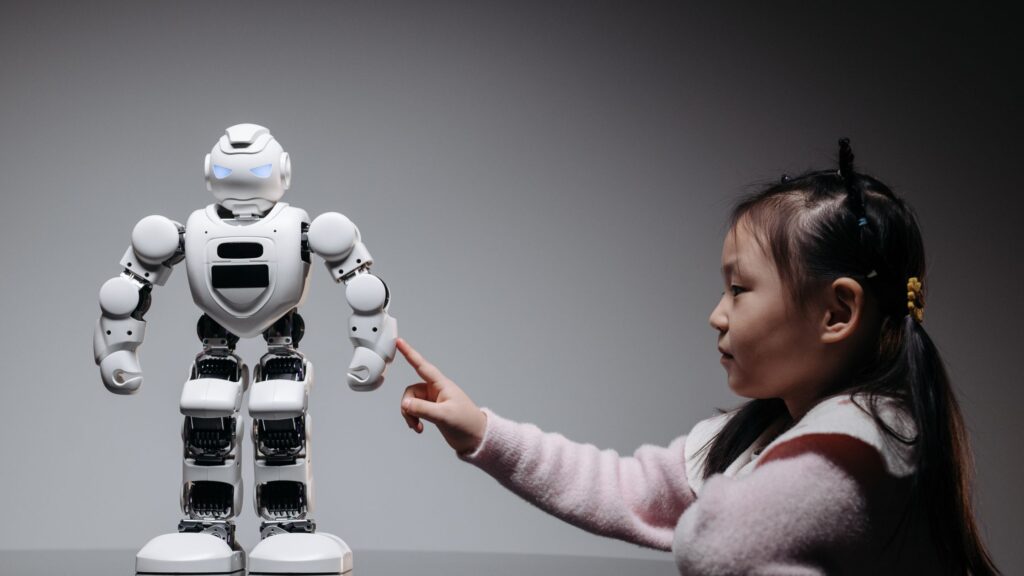
Kirsten Poon: The future will be about partnership, not replacement. AI will continue to handle complex data and repetitive work, while people will focus on creativity, strategy, and emotional intelligence. Together, they’ll create smarter workplaces that are productive, innovative, and human-centered.
Interviewer: Thank you, Kirsten Poon, for your time, honesty, and the valuable insights you’ve shared today. Your work in AI is truly inspiring, and we wish you continued success in all your endeavors.
Kirsten Poon: Thank you once again for the thoughtful questions and the opportunity to share my experience. It’s been a real pleasure. I hope some of what I’ve shared can help businesses and teams simplify complex challenges using AI. Wishing you and your audience all the best, and I look forward to seeing more companies embrace practical, smart AI solutions in the future.





Comments are closed.