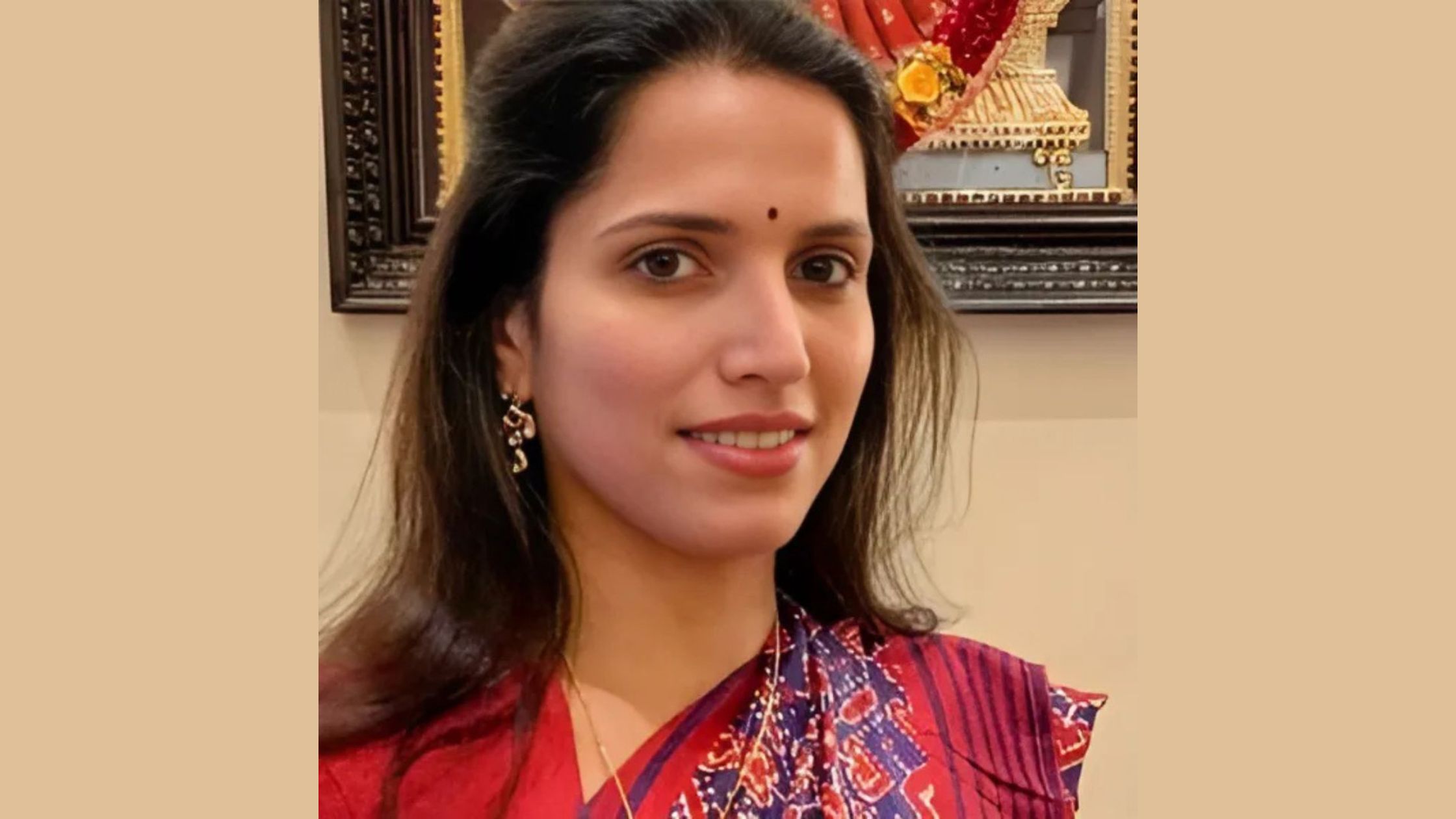
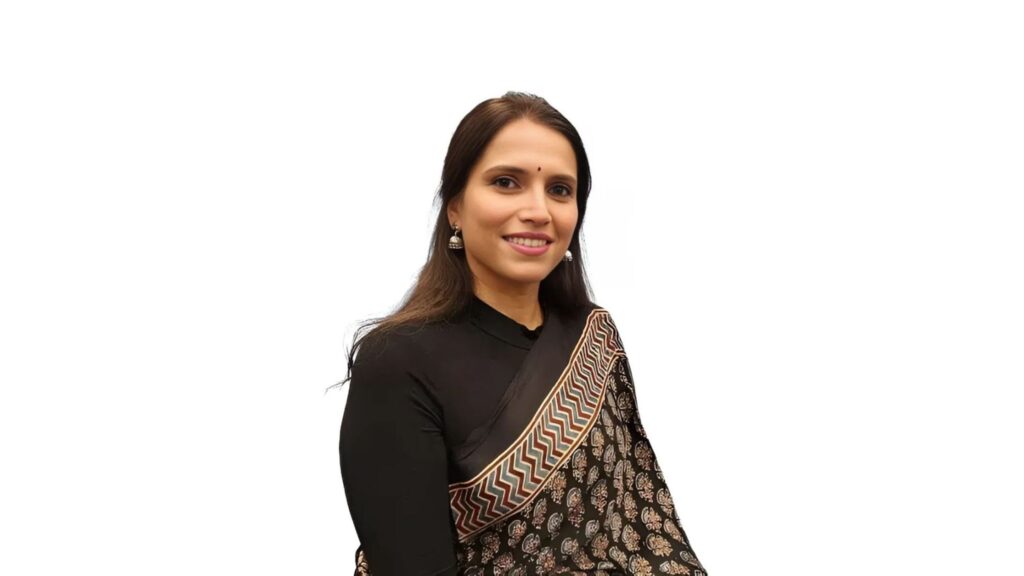
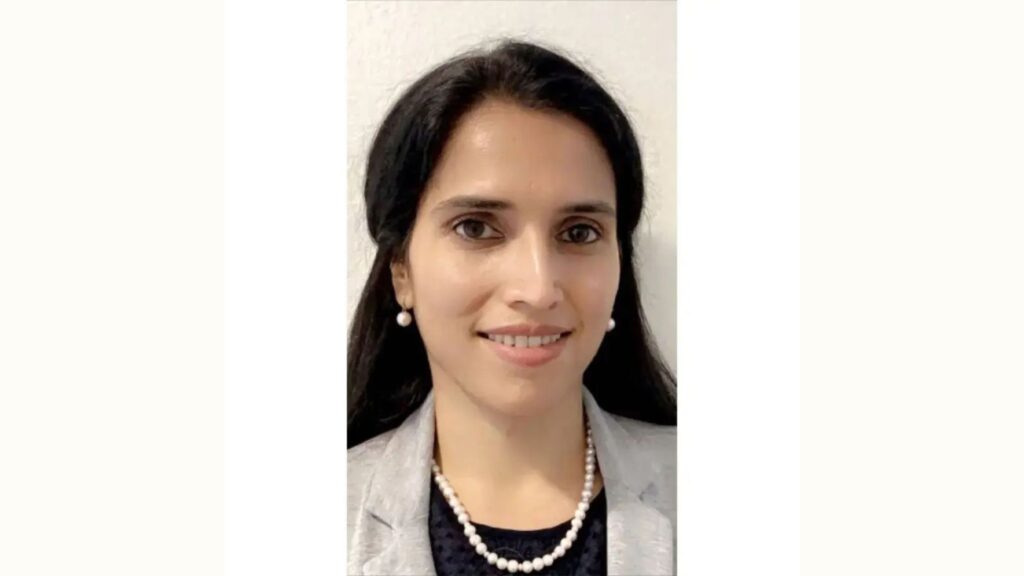
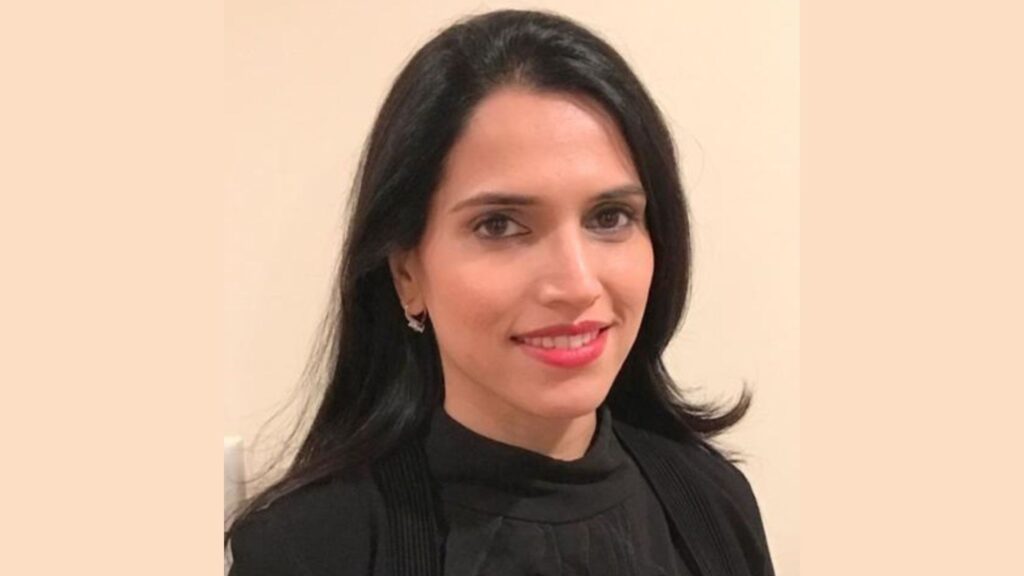
In a recent interview, Deepa Karthik NJ, a Program Manager and Executive Director of the HinduVote project, spoke about how civic awareness serves as the true foundation of empowerment. Deepa Karthik NJ emphasized that understanding one’s rights and responsibilities encourages people to participate actively in their communities.
Deepa Karthik discussed how education, youth involvement, and volunteerism help individuals become confident, informed citizens. Drawing from her leadership experience, she highlighted that awareness is the first step toward positive action. Her inspiring message reminds everyone that empowered communities grow when people stay informed, engaged, and united in shaping a better future.
Interviewer: Welcome Deepa Karthik NJ, it’s great to have you with us today. To begin, what inspired your belief that civic awareness is the foundation of empowerment?
Deepa Karthik NJ: Thank you for having me. I believe when people understand their civic rights and duties, they gain confidence to participate in their community. Awareness helps them see how their voice matters in decision-making. It’s not just about voting; it’s about knowing how systems work and how to create positive change through knowledge and unity.
Interviewer: How would you explain civic awareness to someone hearing the term for the first time?
Deepa Karthik NJ: Civic awareness means understanding how society functions, from local government to community rules. It’s about knowing your rights, your responsibilities, and how policies affect daily life. When people are informed, they make better choices, engage in discussions, and take part in building a stronger, fairer community for everyone.
Also Read :- Dr. Barbara Knox MD Talks About Signs of Hidden Child Abuse
Interviewer: Why do you think civic education is important for young people?
Deepa Karthik NJ: Young people are the future decision-makers. Teaching them about civic processes early helps them grow into responsible citizens. When they understand how their voice counts, they’re more likely to vote, volunteer, and lead. This knowledge builds confidence and a sense of purpose, which is essential for community progress.
Interviewer: What challenges do you see in promoting civic awareness in today’s society?
Deepa Karthik NJ: One big challenge is lack of interest or trust in institutions. Many people feel their actions don’t matter. Also, misinformation spreads easily, making it harder to know what’s true. We need to create simple, engaging education programs and open conversations that help people reconnect with their civic responsibilities.
Interviewer: How does civic awareness strengthen communities?
Deepa Karthik NJ: When people are aware, they care more. They get involved in local issues, help neighbors, and hold leaders accountable. This creates trust, cooperation, and unity. Awareness leads to action, like volunteering, voting, or speaking up, all of which make communities stronger and more compassionate places to live.
Interviewer: What role does education play in building civic understanding?
Deepa Karthik NJ: Education gives people the tools to think critically and question fairly. Schools and community programs can teach how governments work and why participation matters. When learning connects to real life, like local problems or elections, students see the value of being active, informed citizens.
Interviewer: How can parents help their children become more civically aware?
Deepa Karthik NJ: Parents can talk about community events, explain voting, and show how small actions make big differences. Visiting town meetings or volunteering together teaches by example. When children see adults involved, they learn that civic duty is part of everyday life, not just something done during elections.
Interviewer: How do you link civic awareness with empowerment?
Deepa Karthik NJ: Empowerment begins when people understand their power. Civic awareness shows that each person’s opinion, vote, and effort can influence change. When people realize this, they stop waiting for others to act, they become part of the solution. That’s real empowerment through knowledge and participation.
Interviewer: What advice would you give to someone who feels disconnected from civic life?
Deepa Karthik NJ: Start small. Attend a local event or follow community updates online. Talk to neighbors and learn about issues that affect you directly. Every step builds confidence. You don’t need to know everything, just care enough to take the first step toward engagement and learning.
Interviewer: How can technology support civic awareness today?
Deepa Karthik NJ: Technology helps spread information quickly and connects people to causes. Social media, online petitions, and civic apps make participation easier. However, it’s important to verify information and use digital tools responsibly to promote truth, respect, and positive action instead of division.
Interviewer: How does volunteering contribute to civic learning?
Deepa Karthik NJ: Volunteering is hands-on civic education. When people help at food drives, community centers, or voter awareness events, they understand real needs and teamwork. It teaches empathy and cooperation, making civic concepts more personal and practical. Service builds stronger citizens and stronger societies.
Interviewer: What are some simple ways to increase civic awareness in communities?
Deepa Karthik NJ: Start with conversations, workshops, and local storytelling. Use social media to share facts about rights, laws, and community programs. Encourage local leaders to visit schools. Even simple activities like community clean-ups or voter drives can make people curious and involved in civic matters.
Interviewer: Do you think civic awareness can help reduce social divisions?
Deepa Karthik NJ: Absolutely. When people learn how systems work, they focus on solutions instead of blame. Civic awareness helps us see common goals, fairness, respect, and opportunity. It reminds us that cooperation brings progress faster than conflict, strengthening unity in diverse societies.
Interviewer: How can schools include civic topics in their curriculum effectively?
Deepa Karthik NJ: Schools can make lessons practical, like mock elections, debates, or community projects. When students experience participation, they understand it better. Teachers can also connect civic lessons to real news, helping students learn how to analyze and respond thoughtfully to what’s happening around them.
Interviewer: What’s one message you want every citizen to remember about civic empowerment?
Deepa Karthik NJ: Every voice counts. Change doesn’t start in big offices; it starts in homes and communities. If each person takes one small civic step, voting, volunteering, or speaking up, society grows stronger. Empowerment isn’t given; it’s built through awareness and shared effort.
Interviewer: How do cultural values support civic engagement?
Deepa Karthik NJ: Culture teaches respect, service, and cooperation, all core civic values. When communities blend cultural pride with civic responsibility, they create balance. It encourages people to use their traditions not just for celebration, but also for service and collective progress.
Interviewer: What do you think civic leadership means today?
Deepa Karthik NJ: Civic leadership means leading by example, listening, understanding, and taking action. It’s not about titles but responsibility. Anyone who encourages others to participate or solve local problems is a civic leader. True leadership begins with empathy and community connection.
Interviewer: How can awareness campaigns make a lasting impact?
Deepa Karthik NJ: Campaigns work best when they educate and inspire action. Using real stories, visuals, and relatable language helps people connect. The goal isn’t just to inform but to motivate, to help citizens feel that they belong in the process of shaping their communities.
Interviewer: What role do youth organizations play in promoting civic understanding?
Deepa Karthik NJ: Youth groups bring energy and creativity. They can organize discussions, volunteer projects, and social media awareness drives. By involving young voices, we build a habit of participation early. It gives them ownership and helps ensure a more informed generation of future leaders.
Interviewer: Thank you Deepa Karthik for sharing your thoughts today. Before we close, what final message would you like to give our audience?
Deepa Karthik NJ: Thank you. My message is simple, awareness is the first step toward empowerment. When we learn, question, and act together, we create real change. Civic participation is everyone’s right and duty. Let’s keep learning, stay engaged, and build communities that truly reflect our shared values.

Comments are closed.