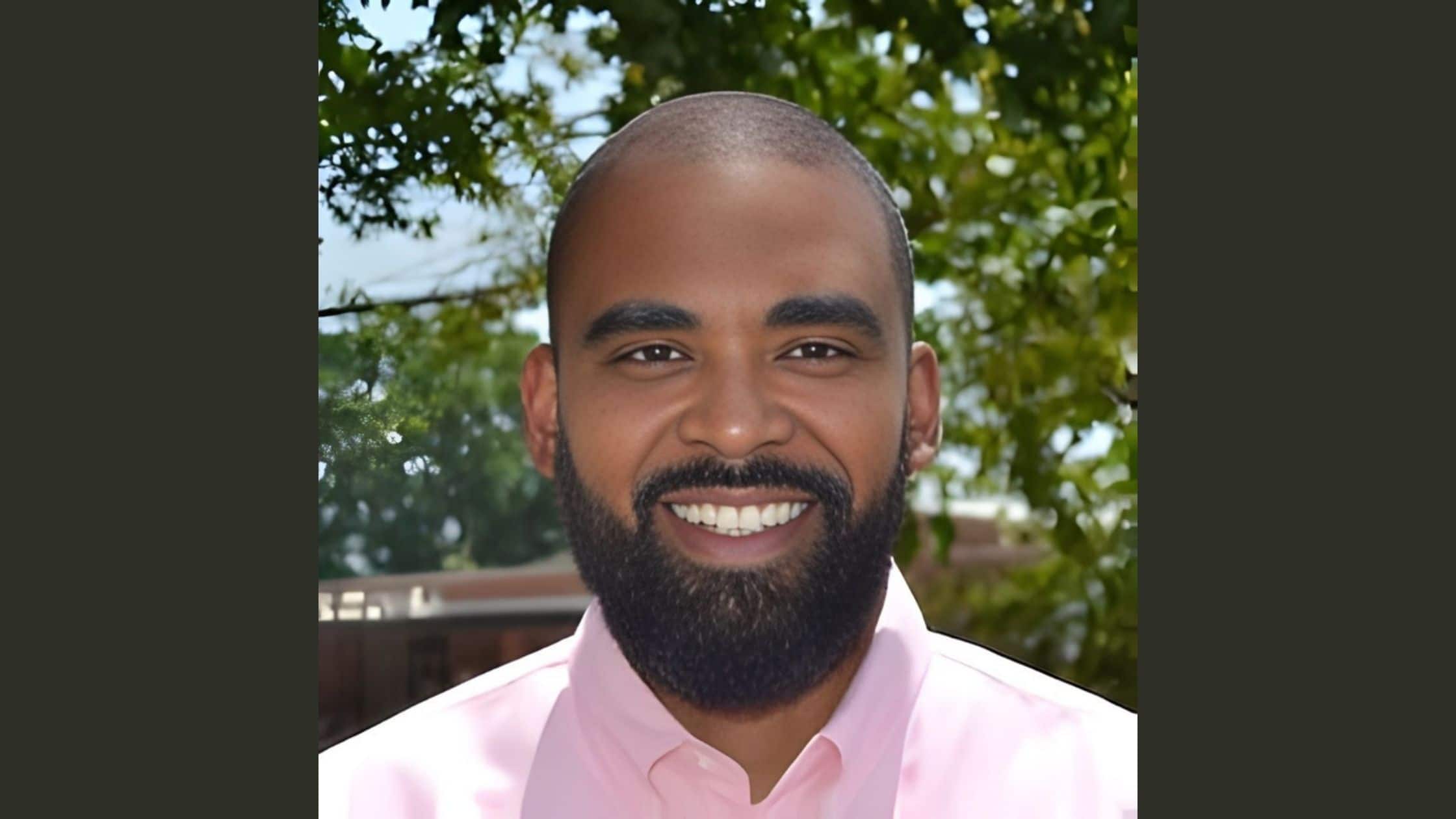
We had the opportunity to speak with Alcide Honoré, co-founder of Billseye Inc., a platform designed to help professionals, firms, and enterprises bring clarity to daily work and communication. Alcide Honoré shares practical insight into how reducing chaos at work leads to better outcomes. In this interview, he explains how clear workflows prevent missed details, improve team focus, and reduce unnecessary rework. He also discusses how simple, well-structured systems support better decision-making, stronger accountability, and more consistent results, helping organizations operate with confidence and achieve long-term success.
Interviewer: Today, we’re joined by Alcide Honoré, co-founder of Billseye Inc., who says that “less chaos at work means better outcomes.” Thank you for being here, Alcide Honoré.
Alcide Honoré: Thank you for having me. This topic matters because chaos quietly hurts results. When work is disorganized, time is lost, details are missed, and teams struggle to deliver their best. Reducing chaos brings clarity and focus. Clear systems help people understand their work, communicate better, and produce stronger, more consistent outcomes.
Interviewer: What does chaos at work usually look like in professional environments?

Alcide Honoré: Chaos at work often shows up as unclear tasks, missed details, and constant rework. People stay busy but struggle to move work forward. Messages get lost across calls, emails, and chats. Teams spend time searching for information instead of acting on it. This kind of disorder creates stress and lowers quality. Even small gaps, when repeated daily, can quietly damage outcomes and slow down progress across the organization.
Interviewer: Why do better outcomes depend so much on reducing chaos?
Alcide Honoré: Better outcomes depend on clarity. When work is organized, people know their priorities and responsibilities. This reduces mistakes and saves time. Clear systems allow teams to focus on results instead of fixing problems. Less chaos improves accuracy, speed, and confidence. Over time, this creates stronger performance and more reliable outcomes, both for teams and for the clients they serve.
Read More: Mrs. 50 Cent Says, ‘Music Brings Life to Every Story”
Interviewer: How does daily confusion affect team performance?
Alcide Honoré: Daily confusion drains energy. Teams repeat conversations, redo tasks, and miss small but important details. This slows progress and lowers morale. When confusion becomes normal, people stop improving and just try to keep up. Removing confusion helps teams work with purpose. Clear workflows allow people to focus on doing good work, which naturally leads to better outcomes.
Interviewer: What role does structure play in creating order at work?

Alcide Honoré: Structure gives work a clear path. It defines how tasks are captured, tracked, and completed. Without structure, people rely on memory and assumptions. With structure, nothing is left to chance. Simple systems reduce mental load and help teams stay consistent. This order supports better focus, better communication, and stronger outcomes across the organization.
Interviewer: How does poor communication add to workplace chaos?
Alcide Honoré: Poor communication creates gaps and misunderstandings. When information is spread across tools or not recorded, people miss key points. This leads to delays and errors. Clear communication, supported by proper tracking, keeps everyone aligned. When teams understand what was said and what needs to be done, chaos fades and outcomes improve naturally.
Interviewer: How does Billseye help bring more order to daily work?

Alcide Honoré: Billseye helps by capturing client communication accurately as it happens. Calls and conversations are recorded and organized instead of being forgotten. This removes guesswork and confusion. Professionals can clearly see what work took place. By turning communication into reliable data, Billseye helps reduce chaos and supports better outcomes without adding extra work for teams.
Interviewer: How does Billseye move beyond organization to improve outcomes?
Alcide Honoré: Organization is the starting point. Billseye also helps firms understand how work creates value. When communication is tracked, firms gain insight into effort, time, and patterns. This clarity improves decisions and accountability. Better understanding leads to better service and fair results. Billseye turns order into visibility, which directly supports stronger outcomes.
Interviewer: How does reduced chaos improve accountability at work?

Alcide Honoré: When work is clear and documented, accountability becomes natural. Teams can see what was done and when. This removes confusion and blame. Accountability becomes about improvement, not control. Clear records support honest conversations and better teamwork. With less chaos, people take ownership more easily, which leads to better outcomes.
Interviewer: Does reducing chaos help teams make better decisions?
Alcide Honoré: Yes, clear information leads to better decisions. When teams are not overwhelmed, they can think clearly. Decisions are based on facts instead of pressure or assumptions. Reduced chaos improves timing and confidence. Better decisions often come from simple clarity, and that clarity directly improves outcomes at every level of work.
Interviewer: How does consistency help maintain order?
Alcide Honoré: Consistency creates stability. When work follows the same process, people know what to expect. This reduces stress and confusion. Consistent habits help teams move faster and make fewer mistakes. Over time, consistency becomes a strength that supports better outcomes and smoother collaboration.
Interviewer: What can leaders do to reduce chaos in their teams?
Alcide Honoré: Leaders can set clear expectations and support simple systems. They should encourage clear communication and proper tracking of work. When leaders value clarity over urgency, teams follow that example. Leadership plays a key role in creating calm, focused environments that support better outcomes.
Interviewer: How does an organized workplace affect client experience?

Alcide Honoré: Clients feel the benefits quickly. Clear communication and timely responses build trust. When teams are organized, service improves and errors decrease. Clients receive consistent support, which strengthens relationships. Reduced chaos inside the firm leads to better outcomes for clients as well.
Interviewer: Can a calm work environment improve long-term performance?
Alcide Honoré: A calm environment supports sustainable success. People work with less stress and more focus. Teams become more efficient and confident. This stability allows firms to grow without losing control. Long-term performance improves when chaos is replaced with clarity and strong systems.
Interviewer: What lasting impact does reduced chaos have on outcomes?
Alcide Honoré: Reduced chaos creates a foundation for consistent success. Work becomes easier to manage and easier to improve. Teams spend less time fixing problems and more time creating value. Over time, this leads to stronger outcomes, healthier teams, and more reliable results across the organization.
Interviewer: Thank you, Alcide Honoré, for sharing why reducing chaos at work leads to better outcomes. Your insights highlight the value of clarity and structure in everyday work.
Alcide Honoré: Thank you for the opportunity. I believe less chaos allows people to do their best work. When systems are clear and simple, teams stay focused, make better decisions, and deliver better results. Creating order is not about control, but about enabling stronger outcomes and long-term success.





Comments are closed.