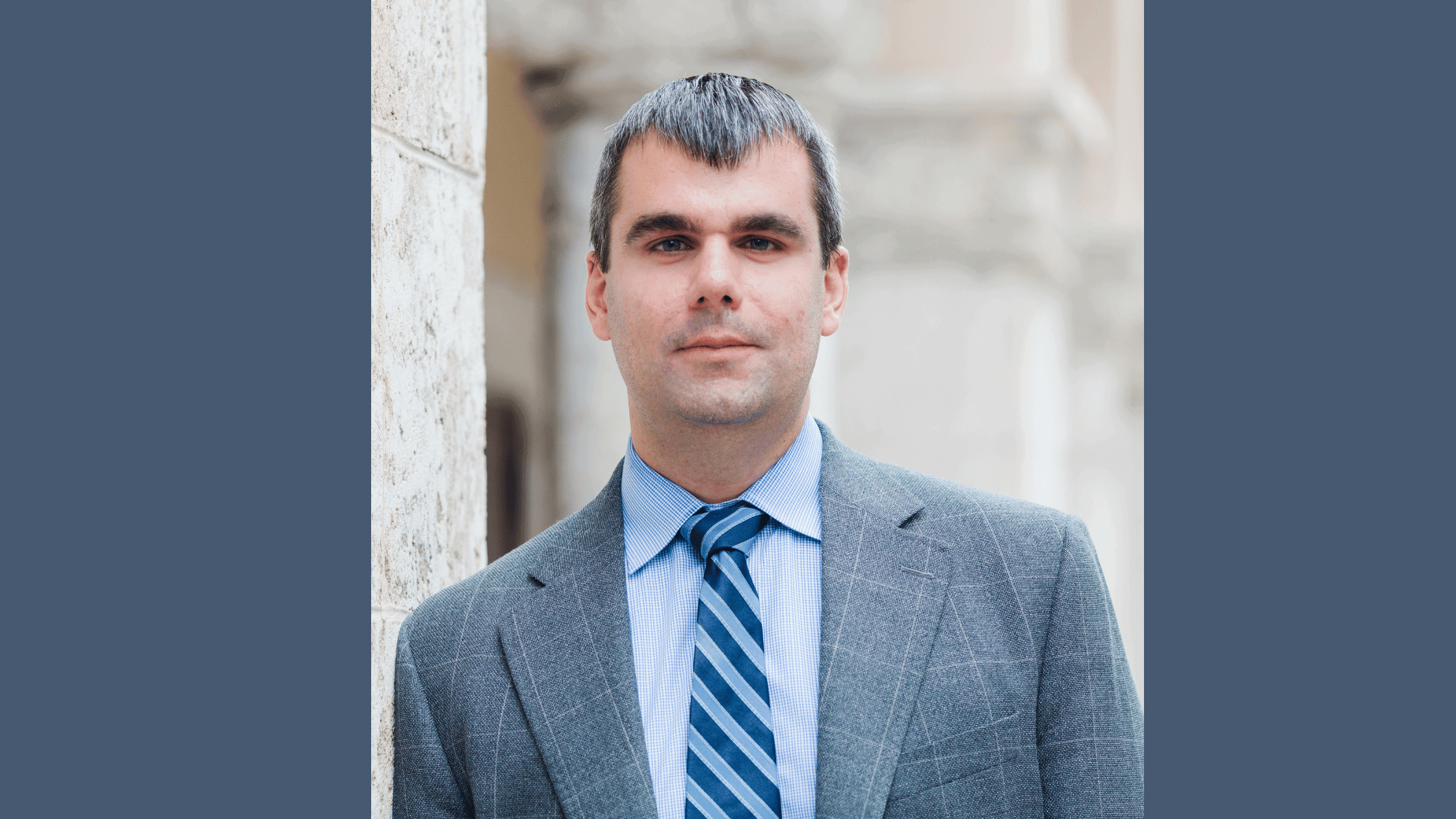
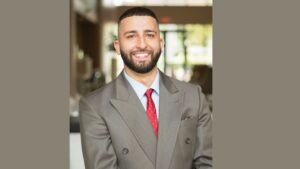
Brian Caper is an experienced economic development leader with a strong focus on sustainability and long-term growth. Brian Caper has dedicated his work to helping communities build stable, resilient, and future-ready economies.With years of leadership in city planning and economic strategy, he believes growth should be thoughtful and balanced. His approach connects smart planning, workforce development, and responsible investment to create lasting impact. He supports public-private partnerships and data-driven decision-making to strengthen local economies. Through clear vision and practical action, he promotes sustainable economic progress that benefits businesses, residents, and communities for the long term.
Interviewer: Mr. Brian Caper, thank you for joining us today. It’s a pleasure to speak with a leader who has focused extensively on sustainable economic growth. To begin, could you share why sustainability is such an important part of economic development today?
Brian Caper: Thank you for having me. I’m glad to be part of this discussion. Sustainability is important because economic growth should last for generations, not just for a short period. When we focus on sustainability, we make sure development is balanced, responsible, and thoughtful. It means creating jobs, supporting businesses, and investing in infrastructure while also protecting resources. Sustainable economic growth builds stability, reduces risk, and creates long-term benefits for the entire community.
Interviewer: What does sustainability mean in economic growth?
Brian Caper: Sustainability in economic growth means building an economy that can grow steadily over time without causing harm to the environment or the community. It is about balancing business development, job creation, and environmental care. Growth should not be short-term or risky. Instead, it should create long-lasting benefits. Sustainable growth focuses on strong planning, smart investment, and responsible use of resources so future generations can also benefit from today’s progress.
Also Read: Alcide Honoré says, “Less Chaos at Work Means Better Outcomes.”
Interviewer: Why is sustainability important for economic development?
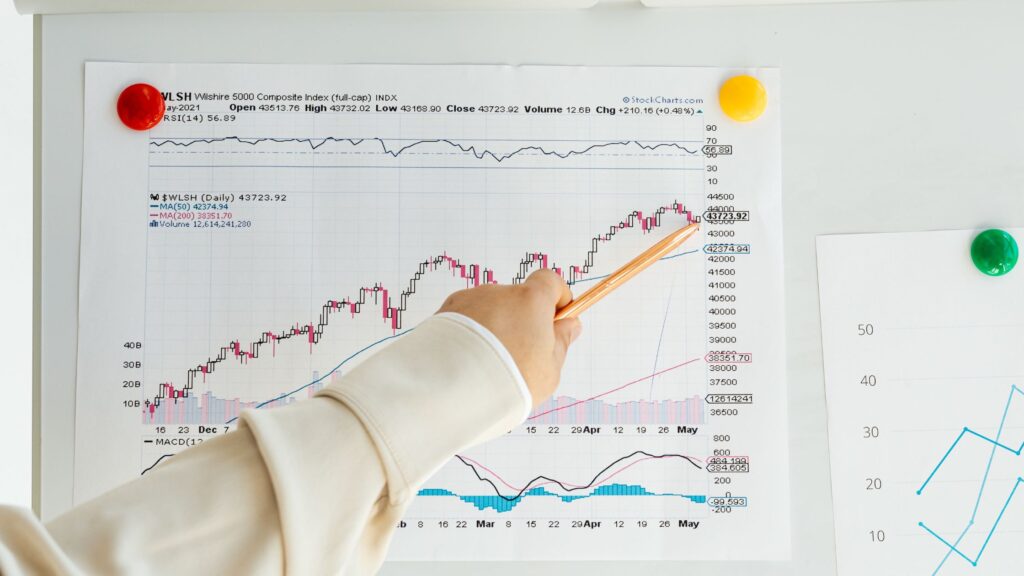
Brian Caper: Sustainability is important because it protects long-term progress. If growth happens too fast without planning, it can create problems like pollution, traffic, or economic decline later. Sustainable development ensures that jobs, businesses, and infrastructure remain strong for many years. It reduces risks and builds stability. When cities focus on sustainability, they create a healthier environment and a stronger economy at the same time.
Interviewer: How can cities balance growth and environmental protection?
Brian Caper: Cities can balance growth and environmental protection through smart planning. This includes using land wisely, supporting clean energy, and encouraging efficient transportation. Local leaders can promote green building standards and protect natural spaces. Economic development projects should consider long-term environmental impact. When cities combine environmental responsibility with business growth, they create communities that are both productive and healthy.
Interviewer: What role does planning play in sustainable growth?
Brian Caper: Planning is the foundation of sustainable growth. Clear goals help guide investment and development decisions. Long-term plans consider population changes, workforce needs, housing, and infrastructure. Without planning, growth can become unbalanced. Strong planning ensures that resources are used wisely and that development supports both economic and environmental priorities. It creates direction and reduces uncertainty for businesses and communities.
Interviewer: How does job creation connect with sustainability?

Brian Caper: Job creation is central to sustainable economic growth. Stable jobs support families and strengthen local economies. Sustainable growth focuses on industries that can last, such as clean energy, technology, healthcare, and advanced manufacturing. Workforce training is also important so people have the skills needed for modern jobs. When employment opportunities are strong and steady, communities become more resilient and financially secure.
Interviewer: Can small businesses support sustainable economic growth?
Brian Caper: Yes, small businesses play a major role in sustainable growth. They create local jobs and keep money circulating within the community. Supporting small businesses through training, access to funding, and clear regulations helps build a diverse economy. A diverse economy is more stable and better able to handle challenges. Strong local businesses also encourage innovation and long-term community development.
Interviewer: How does infrastructure impact sustainable growth?
Brian Caper: Infrastructure is critical for sustainable economic growth. Roads, public transit, water systems, and broadband all support business activity. Modern and efficient infrastructure reduces costs and improves productivity. Sustainable infrastructure also focuses on energy efficiency and resilience. Investing in reliable systems today prevents larger problems in the future and creates a strong foundation for economic expansion.
Interviewer: What is the role of public-private partnerships in sustainability?
Brian Caper: Public-private partnerships bring together government and business to support economic development. These partnerships share resources and expertise. When structured well, they can fund infrastructure, redevelopment, and innovation projects. This cooperation helps reduce risk and increase efficiency. Partnerships also encourage shared responsibility for long-term outcomes, which supports sustainable and balanced growth.
Interviewer: How can workforce development support sustainability?
Brian Caper: Workforce development prepares people for current and future job markets. Training programs aligned with industry needs help businesses grow and remain competitive. Education and skill development reduce unemployment and increase income stability. A skilled workforce attracts investment and supports innovation. Long-term economic sustainability depends on having workers who can adapt to changing technologies and industries.
Interviewer: Why is long-term thinking important in economic growth?
Brian Caper: Long-term thinking prevents short-term decisions that may cause harm later. Sustainable economic growth requires patience and strategy. Leaders must consider future population growth, technology changes, and environmental impact. By planning ahead, communities can avoid costly mistakes. Long-term strategies create steady progress and reduce economic shocks. Stability is key to sustainability.
Interviewer: How does innovation support sustainable economies?
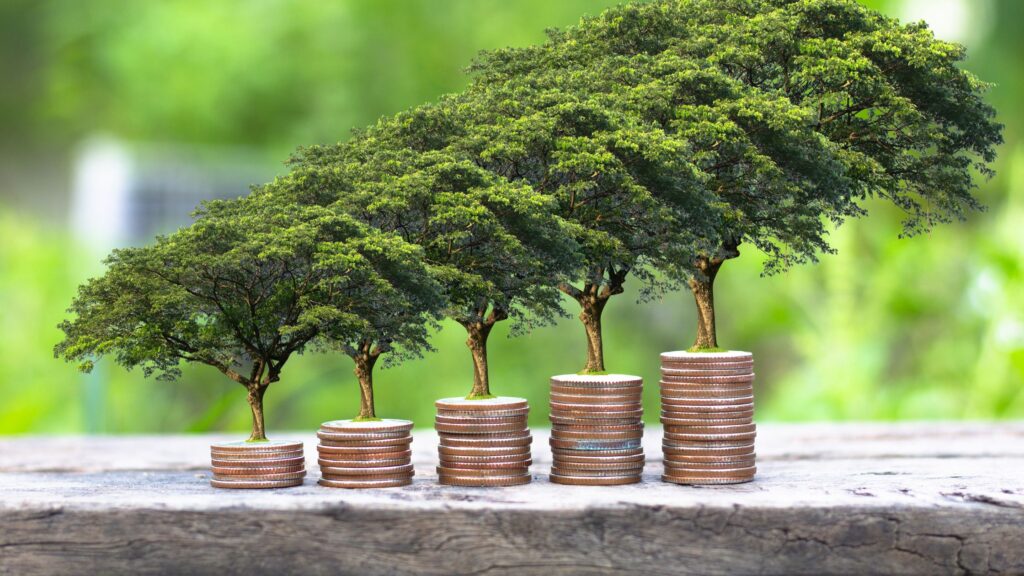
Brian Caper: Innovation helps economies stay competitive. New technologies improve efficiency and reduce waste. Businesses that innovate can create better products and services. Supporting research, startups, and technology adoption encourages sustainable progress. Innovation also helps address environmental challenges through cleaner energy and smarter systems. It drives growth while improving resource management.
Interviewer: What challenges affect sustainable economic growth?
Brian Caper: Common challenges include limited funding, rapid population growth, and changing market conditions. Environmental concerns and workforce skill gaps can also create obstacles. Addressing these challenges requires coordination, strong leadership, and community support. Clear policies and strategic investment help manage risks. Sustainable growth is possible when leaders remain flexible and focused on long-term outcomes.
Interviewer: How can communities measure sustainable growth?
Brian Caper: Communities can measure sustainable growth through data and performance indicators. This includes tracking job creation, income levels, environmental quality, and business development. Measuring progress helps leaders adjust strategies when needed. Transparency also builds public trust. Clear benchmarks ensure that economic development efforts are balanced and effective over time.
Interviewer: What industries support sustainable economic development?

Brian Caper:Industries such as renewable energy, healthcare, education, and advanced manufacturing often support sustainable development. These sectors provide stable employment and long-term value. Technology-driven industries also promote efficiency and innovation. A balanced mix of industries strengthens the economy and reduces risk. Diversification is essential for steady and lasting growth.
Interviewer: What is the key message about sustainability and economic growth?
Brian Caper: The key message is that economic growth must be responsible and strategic. Sustainability ensures that progress lasts for generations. It requires planning, investment in people, and environmental care. Growth should benefit the entire community, not just the short term. When leaders focus on balance and long-term impact, they create strong and resilient economies.




Comments are closed.