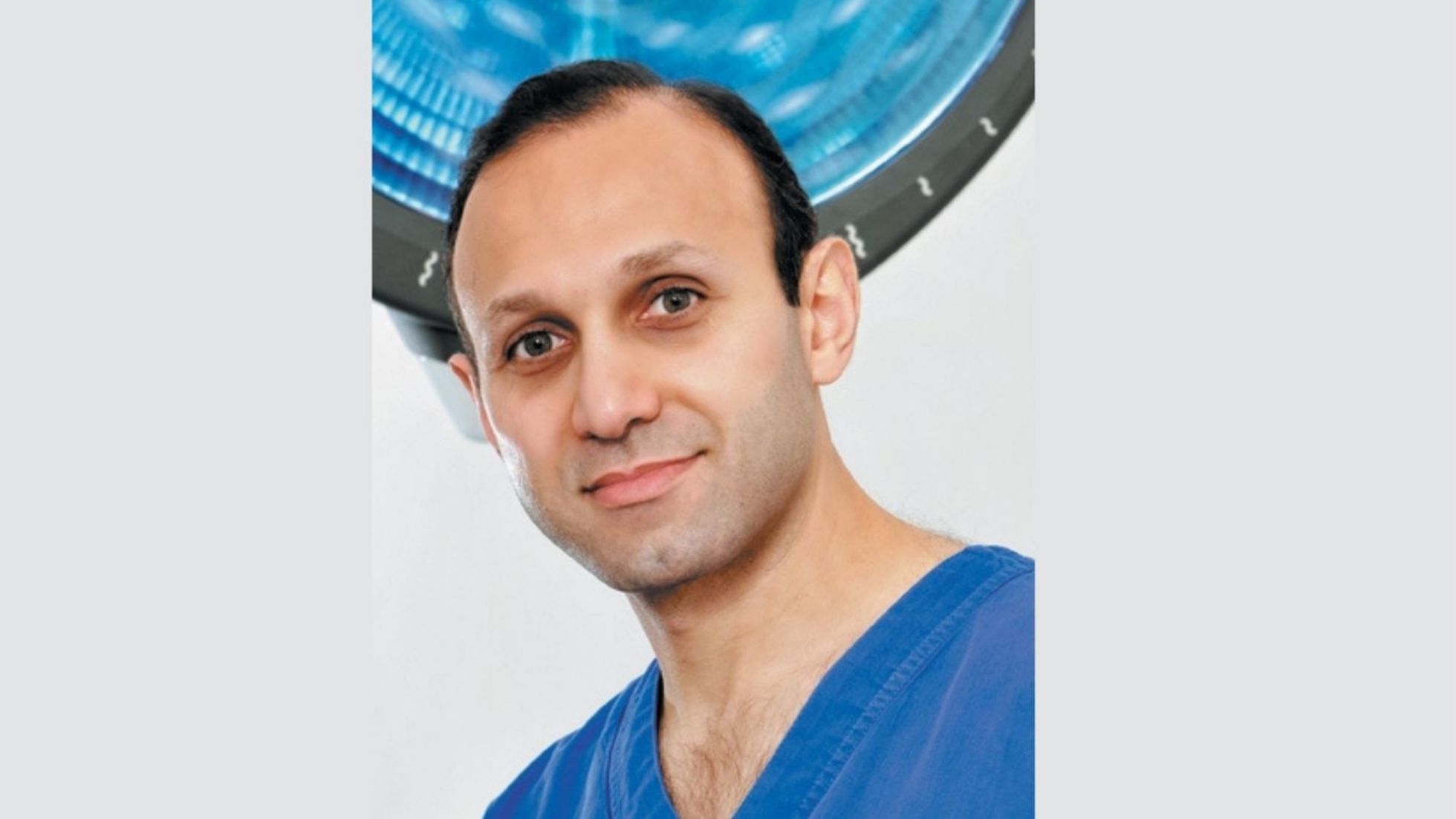
We had the opportunity to speak with Dr Laith Barnouti, an Australian specialist plastic and reconstructive surgeon and the founder of Sydney Plastic Surgery. With more than 15 years of specialist experience and advanced training across Australia and internationally, Dr Barnouti is known for his strong focus on patient safety, ethical practice, and natural surgical outcomes.
In this interview, Dr Barnouti explains why health must always come before appearance in cosmetic surgery. He discusses patient selection, surgical planning, hospital standards, long-term care, and the responsibility surgeons carry when guiding patients through elective procedures.
Interviewer: Today, we’re joined by Dr Laith Barnouti, a specialist plastic and reconstructive surgeon and founder of Sydney Plastic Surgery. Thank you for speaking with us.
Dr Laith Barnouti: Thank you for the invitation. I welcome the chance to discuss how safety and medical responsibility shape my work.
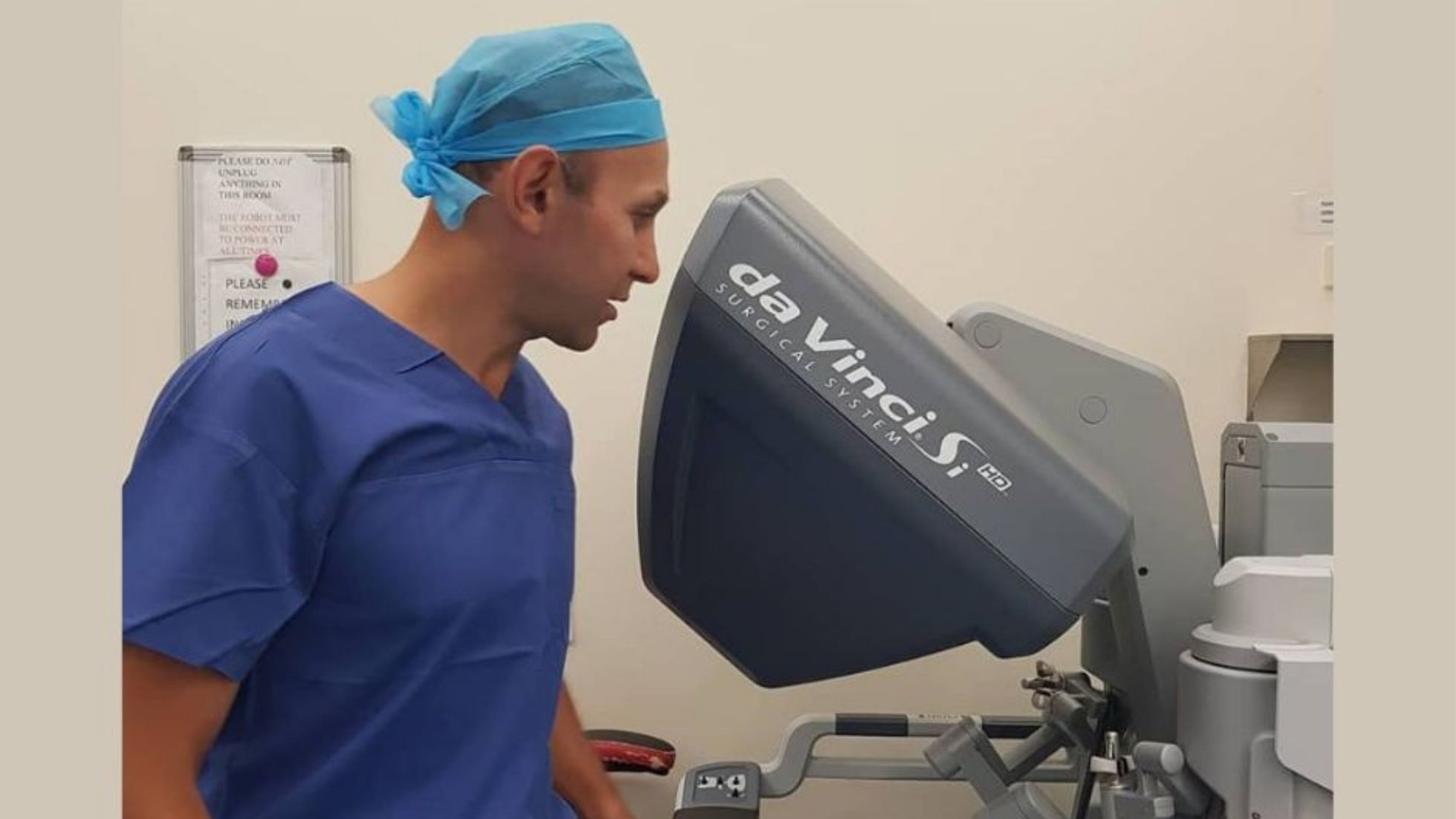
Interviewer: Why do you believe cosmetic surgery must always put health first?
Dr Laith Barnouti: Cosmetic surgery involves real medical risks, just like any other operation. Appearance should never outweigh physical well-being. When health leads the process, decisions are clear, and outcomes are more stable. My role is to protect the patient first and guide them toward choices that support both safety and realistic results.
Interviewer: How do you approach the first consultation with a patient seeking cosmetic surgery?
Dr Laith Barnouti: The consultation is about listening and assessment. I take time to understand the patient’s concerns, medical history, and expectations. I also examine whether surgery is appropriate for their anatomy and health. Honest discussion builds trust and helps prevent procedures that may not serve the patient well.
Also Read: Interview With Jamie Sinclaire About the Future of Marketing
Interviewer: Many patients come in with strong aesthetic goals. How do you manage expectations?
Laith Barnouti: Clear communication is essential. I explain what surgery can and cannot achieve, as well as the risks involved. If a request places strain on the body or could affect function, I explain why it may not be advisable. Surgery should support the patient, not challenge their long-term health.
Interviewer: You operate only in accredited hospitals. Why is this standard important to you?
Dr Laith Barnouti: Accredited hospitals provide structured systems for patient care, anesthesia, and emergency support. These settings are designed for safety at every stage of surgery. Operating outside of this environment increases risk. Patients deserve care that meets strict medical standards, especially for elective procedures.
Interviewer: You are known for short scar techniques and natural outcomes. How do these choices support patient health?
Dr Laith Barnouti: Careful technique reduces unnecessary tissue trauma. Shorter scars often reflect precise planning and controlled surgery. Natural outcomes also respect how the body moves and ages. The goal is to achieve balance without placing stress on the tissues or compromising function.
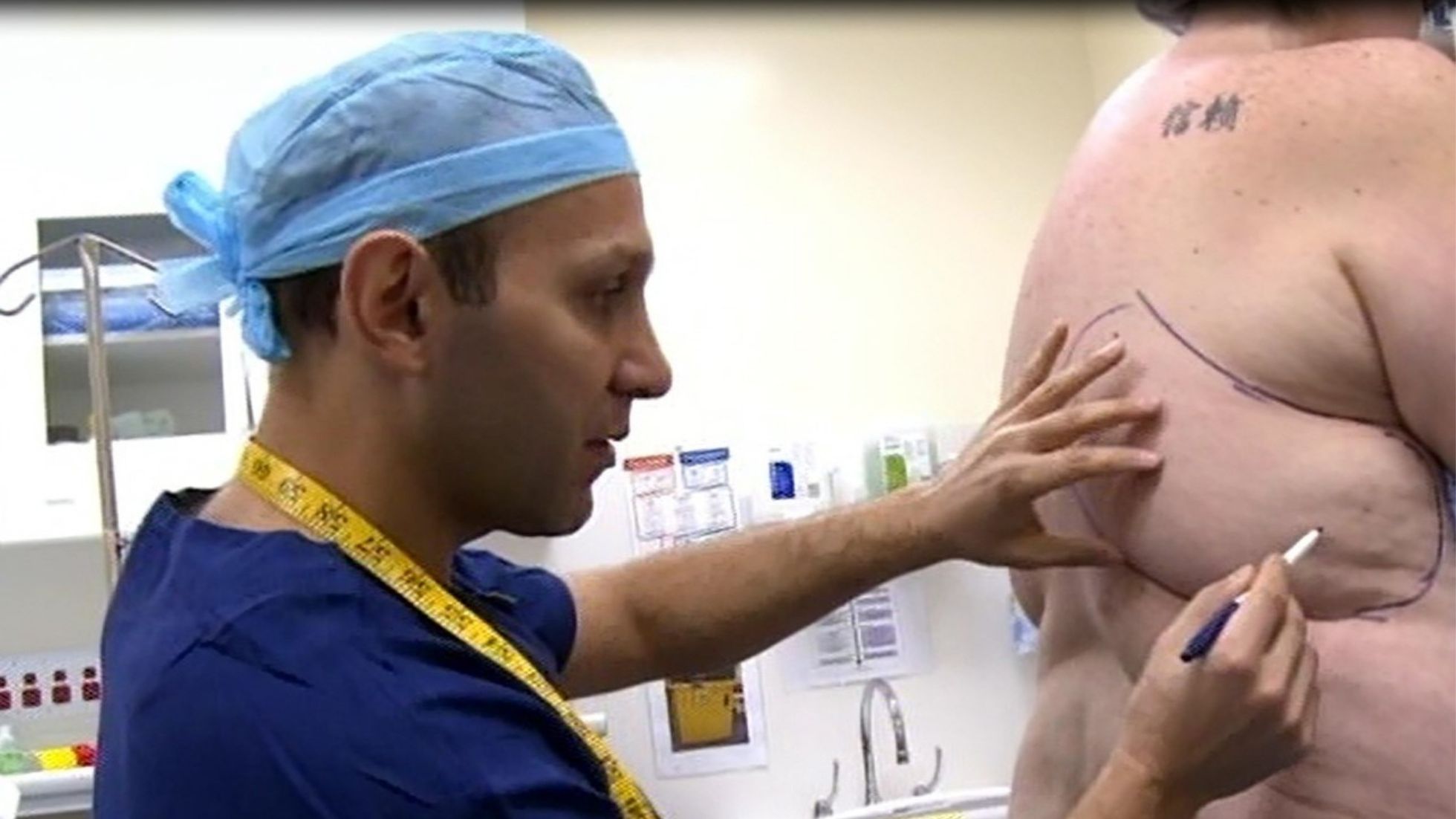
Interviewer: How does your international training influence your approach to ethical surgery?
Dr Barnouti: Training across different countries exposes you to varied surgical philosophies and standards. One consistent lesson is the importance of restraint. Some of the most respected surgeons emphasise knowing when not to operate. Ethical surgery is about judgment as much as technical ability.
Interviewer: What do you think about long-term outcomes when planning cosmetic procedures?
Dr Laith Barnouti: I consider how the result will hold up over years, not months. Skin quality, healing patterns, and lifestyle factors all matter. A procedure should age well and remain safe over time. Short-term appearance means little if it leads to problems later.
Interviewer: What is your response when a patient insists on a procedure you believe is unsafe?
Dr Laith Barnouti: I decline to perform it. My responsibility is to the patient’s health. I explain my reasoning clearly and respectfully. Ethical practice requires boundaries. Saying no can be difficult, but it protects the patient and maintains professional integrity.
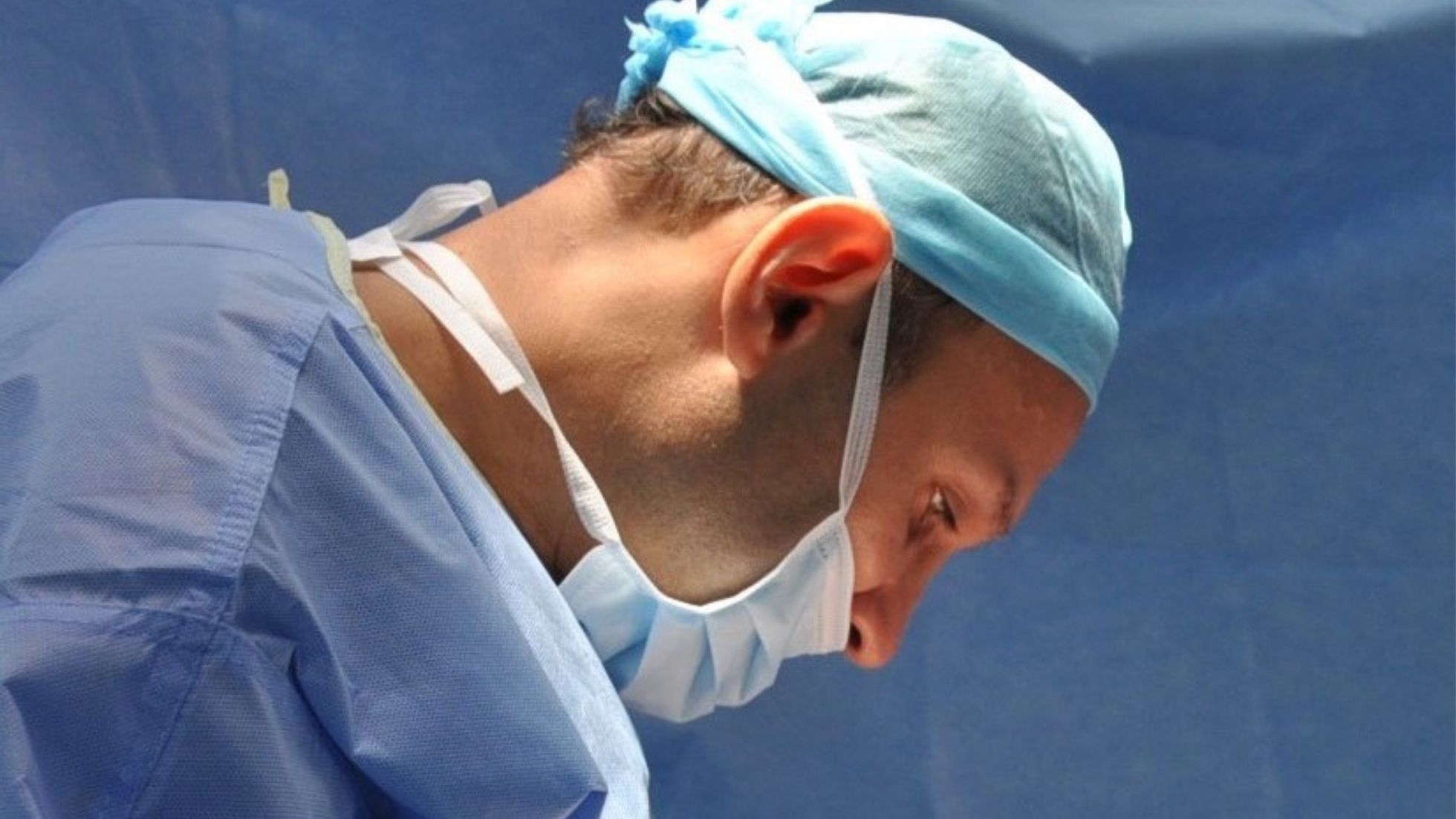
Interviewer: You also teach and appear regularly in the media. How does this role shape your practice?
Dr Laith Barnouti: Teaching and public discussion reinforce accountability. When you explain surgery to others, you are reminded of its seriousness. I aim to present realistic information and a medical context. That same clarity guides how I work with patients in the clinic.
Interviewer: What do you believe defines excellence in cosmetic surgery today?
Laith Barnouti: Excellence is shown through consistency, honesty, and safe decision-making. Technical skill is important, but judgment and responsibility matter more. A surgeon should always place patient health above trends or pressure.
Interviewer: What message would you like patients considering cosmetic surgery to take away?
Dr Laith Barnouti: Patients should feel comfortable asking about training, safety, and setting. Cosmetic surgery should support quality of life, not place it at risk. When health comes first, results are more reliable, and care remains respectful. That principle guides every part of my practice.
Comments are closed.